

Image created by Donna Harrison
The SHLD Dragons
%20Society%20History%20and%20Learning%20Disability/Group%20of%20people%20pointing%20at%20paper%20on%20a%20table.png)
The Centre for Society, History and Learning Disabilities (SHLD) is led by The SHLD Dragons. You can find out more about who we are and how to become an SHLD member or an SHLD friend on this page.
%20Society%20History%20and%20Learning%20Disability/Liz%20Tilley%202.png)
The Centre’s Director is Liz Tilley. Liz’s research is mainly about health and social care for people with learning disabilities, and the role of advocacy in people’s lives. Liz is also interested in how history can be used to help improve things for people today. Read more about Liz's work on her OU Profile.
%20Society%20History%20and%20Learning%20Disability/Nathaniel%20Lawford.png)
Nathaniel Lawford is an SHLD Centre Co-Lead. Nathaniel is an activist researcher for MMU Critical Friends Group and a self-advocate and Trustee for Speak Out. Nathaniel studied Philosophy at university, exploring the power and diversity of language and inclusive ethics.
%20Society%20History%20and%20Learning%20Disability/Donna%20Exhibition%20Pic.png)
Donna Harrison is an SHLD Centre Co-Lead. Donna is a researcher and member of United Response. Donna is a researcher on a project exploring the life stories of people with learning disabilities. These life stories have been exhibited across England.
%20Society%20History%20and%20Learning%20Disability/Paul%20Christian.png)
Paul Christian is an SHLD Centre Co-Lead. Paul is a writer, researcher and historian activist. He is also a Deputy Co-chair of the Board of Access All Areas, a learning disability Theatre Company. Paul does research about racism and the experiences and histories of Black people with learning disabilities.
%20Society%20History%20and%20Learning%20Disability/Lindsay%20O'Dell%20(1).png)
Lindsay O’Dell is a Centre Co-Lead with responsibility for Inclusive Arts and Culture. Her research is about how people with learning disabilities are involved in art programmes and galleries, and how residential schools and homes can better involve children and young people.
%20Society%20History%20and%20Learning%20Disability/Lorna%20Rouse.png)
Lorna Rouse is a Centre Co-Lead with responsibility for Advocacy, Rights and Social Justice. Lorna’s research is about improving healthcare and advocacy for people with learning disabilities. Lorna has done projects about the funding of self-advocacy organisations, and about diabetes in people with learning disabilities. You can find out more about Lorna’s work on her OU Profile.
%20Society%20History%20and%20Learning%20Disability/Eliph.png)
Eliph Hadert is an SHLD Centre Co-Lead. Eliph is a self-advocate, researcher, a Speak Out Brighton member and art facilitator. Eliph has been involved in the Carousel project looking at how people with learning disabilities shape their community’s identity.
%20Society%20History%20and%20Learning%20Disability/Ned%20Redmore.png)
Ned Redmore is a Centre Co-Lead with responsibility for Health and Social Care. His research is about how people with profound learning disabilities can have a bigger say in services. He has led work to co-produce The Day-Doc, a tool to help organisations better respond to people with profound learning disabilities. You can find out more about Ned’s work on his OU Profile.
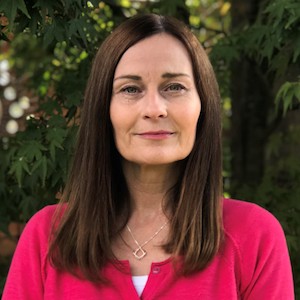
Shirley Stevens is our Centre Manager.
%20Society%20History%20and%20Learning%20Disability/Shaking%20hands%20and%20talking.png)
SHLD Advisors
The SHLD Centre is supported by our SHLD Advisors. They all have helped to shape SHLD over many decades. Their experience and knowledge help to guide us into the future.
%20Society%20History%20and%20Learning%20Disability/Jan%20and%20team.png)
Jan Walmsley was a founder of the Social History of Learning Disability Group in 1994. Jan is a Visiting Professor of Learning Disabilities History at The Open University. Jan pioneered inclusive learning disability history and research.
%20Society%20History%20and%20Learning%20Disability/Craig%20Hart.png)
Craig Hart has co-chaired Social History of Learning Disability conferences for over 10 years. He helped to set up Surviving through Story project during the Covid Pandemic. This helped to make sure the stories of people with learning disabilities were not forgotten. Craig is currently working on a book about inclusive research with Jan Walmsley and Iva Strnadova.
%20Society%20History%20and%20Learning%20Disability/Ian%20Davies.png)
Ian Davies co-led the Social History of Learning Disability group. He also co-chaired Social History of Learning Disability conferences for over a decade. Ian is a founding member of Northamptonshire People First. He has advocated for people with learning disabilities since the 1990s. Ian shared his life story in the UK and Japan, helping to share understanding of the lives of people with learning disabilities.
%20Society%20History%20and%20Learning%20Disability/People%20at%20a%20table.png)
SHLD Members
The SHLD Centre has members from across the world. SHLD Members are colleagues inside and outside of the Open University who play an active role in SHLD and come to our meetings. Members include people with learning disabilities, self-advocacy organisations, family members, practitioners, academics, Open University visiting research fellows, and students.
What do members do?
Get involved in doing research together
Help to plan SHLD events, including our big conference in Milton Keynes
Share ideas for new research
Support each other with tricky research problems
Tell other people about the research we all do, to help spread the word.
Attend SHLD meetings
If you would like to become a member of SHLD, please email us at [email protected] or contact any of our centre leads.
%20Society%20History%20and%20Learning%20Disability/3%20people%20together.png)
SHLD Friends
SHLD Friends make up our wider network. Friends of SHLD get information about our conferences and other events. They will also receive other important updates about our research, including our annual newsletter.
If you would like to become a friend of SHLD, please email us at [email protected] or contact any of our centre leads.


Explore

Undergraduate
Postgraduate
Policy
-
Follow us on Social media
-


