
.png)
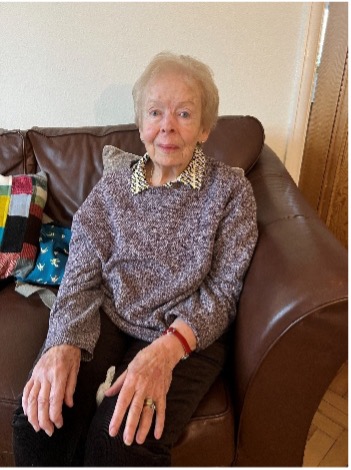
Chrissie Wolfenden, 80, Retired, Dinas Powys, Wales
But I'm now more aware ……hydration comes into it. And I think people don't drink enough water. I know that youngsters though……. you see them walking around with a bottle of water. So they do drink water, but I don't know whether elderly people do so much. They think because they take a tablet and they have some water with it, then that's enough. But I've learned that it's not
Why did you sign up for Take Five?
I signed up for Take Five because I believe its goals are very important for maintaining both health and social connection, especially as I have grown older. I am aware of how easy it is to become isolated, so the focus on simple actions like getting out of the house really appealed to me. The programme also aligns with my own need to manage health conditions such as diabetes through good habits like eating well and staying hydrated.
My past experience teaching at a children’s cooking school reinforced the importance of healthy lifestyles. Overall, Take Five felt like a positive, meaningful initiative that reflects my values.
Did you enjoy taking part?
Yes, I really enjoyed taking part. I found it very valuable to hear the perspectives of others in the group, as everyone brought different experiences and ideas. I shared much of the information and leaflets with friends, as I felt it was genuinely useful. Although I couldn’t continue fully due to some health issues, I still follow the key principles of Take Five, such as staying active, eating well, and keeping hydrated.
I believe one of the most important aspects, especially as we get older, is getting out of the house and connecting with others. Being part of any group can make a real difference to wellbeing, helping people feel less isolated. I am fortunate to live in an area with good access to activities, but I recognise that not everyone has the same opportunities or confidence to find them.
Take Five also reinforced the importance of healthy eating and hydration. Overall, it highlighted how small, everyday actions can make a meaningful difference to both physical health and social wellbeing.
Which action did you do?
For my Take Five action, I chose to focus on walking because I know it is something I need to do more of. Although I already try to stay active at home by stretching each morning and attending an exercise class, I felt that adding more regular walking would benefit both my physical and mental health. Walking can be challenging at times, especially with age-related mobility issues, but it is still an accessible and important form of activity.
I am fortunate to live in an area where there are good opportunities to stay active, although I am aware that not everyone has this access. This made me reflect on how important it is for people to be encouraged to move more and develop healthy habits. I also believe that staying active is closely linked to other aspects of wellbeing, such as eating well and maintaining social connections.
For me, walking is not just about exercise but also about getting out of the house and being around others. Even small interactions can make a difference. Overall, I chose walking because it is simple, achievable, and supports both my physical health and overall wellbeing.
Do you think Take 5 is a good idea and why?
Yes, I think Take Five is an excellent idea. It just needs to become more widely known. The more people talk about it, the more it can be publicised, and that’s so important. I’m not sure whether doctors are promoting it in surgeries, but I feel they should be, because getting the information out there is essential. You can have the best programme in the world, but if people don’t know about it, it won’t reach those who need it.
I see this in my art group as well—if we didn’t publicise our exhibitions, no one would turn up. It’s the same principle here: the more outreach and visibility Take Five has, the more people it can help. And if more people knew about it and took part, I think we would all be a lot better off.
What ways has Take Five changed your life behaviour?
Take Five has changed my behaviour by making me think more consciously about my health and the small, everyday actions that support it. Although I was already aware of the importance of exercise, diet, and hydration, the programme encouraged me to reflect on these areas more deliberately and take them more seriously.
Living with diabetes means I need to maintain healthy routines, and Take Five reinforced how important consistency is in managing my wellbeing. It also highlighted how simple habits, when done regularly, can make a real difference over time.
Even when I have not felt my best, it has helped me stay focused on doing what I can, rather than giving up completely. Overall, it has made me more aware, more committed, and more proactive about looking after my health.
What have you learned in taking part in Take 5 around aging now, how to self-care, self manage, and your care for someone else?
Through Take Five, I’ve become more aware of the importance of self-care, self-management, and supporting others as we age. Seeing my cousin, who has dementia, showed me how easily people can lose motivation and structure in their day. It highlighted how important it is to encourage not just physical activity, but also social involvement.
I’ve learned that being part of a group can make a real difference. Attending my own exercise class has shown me how beneficial it is to combine movement with social connection, improving both mental and physical wellbeing.
Taking part in Take Five has made me more confident in improving my own health and supporting others. It helped me realise that not everyone has the same knowledge, confidence, or access to maintain a healthy lifestyle, and those are often the people who need the most support. Through my own experience with diabetes, I feel more able to share advice and encourage healthier habits in others.
I’ve become more aware of how easily motivation can be lost, particularly for older people or those living alone. Take Five reinforced the importance of maintaining simple routines, such as eating well, staying active, and keeping hydrated. It also highlighted the value of social connection, as being around others can make a significant difference to both mental and physical wellbeing.
Overall, the programme has encouraged me to keep moving forward, even with challenges. It has strengthened my belief that small, consistent changes can improve health and that sharing knowledge and encouragement can positively impact others’ wellbeing too.


Explore

Undergraduate
Postgraduate
Policy
-
Follow us on Social media
-


